

An unprecedented Greece continues to receive a “wave” of tourists.that the industry is headed for another all-time record arrival. 2025 is expected to close with more than 37 million international visitors, recording an estimated annual increase of almost 5%, with a ratio of tourists to permanent residents exceeding 3.5, one of the highest ratios in the world.
The image of 2025 – the new records
In the ten months of January-October 2025, according to the travel balance of the Bank of Greece, international arrivals increased by 4.4%, reaching 35.26 million travelers, compared to 33.79 million in the corresponding period of 2024, approximately 600 thousand lower arrivals than the total of 2024. (35,95) record for this year should be new.
The geographical origin of visitors shows a clear shift: arrivals from the EU-27 increased slightly (+1.4%), reaching 21.0 million.
Air traffic increased by 4.6%, while road traffic increased by 4.9%, proving that Greece remains accessible from many gateways. The geographical origin of visitors shows a clear shift: arrivals from the EU-27 increased slightly (+ 1.4%), reaching 21.0 million, while from other countries there was a strong increase of 9.1%, to 14.25 million travelers.
Germany remains the largest market, with 5.65m visitors (+ 8.3%), followed by the UK (4.68m, + 6.6%) and Italy (2.10m, + 8.2%). On the contrary, France registered a slight decrease (-2%), while arrivals from Russia, although increased, remained limited in absolute terms.
Income: more money, but there are imbalances
Travel receipts in the same ten-month period amounted to 22.39 billion euros, which increased by 8.9% year-on-year and was higher than 21.7 billion. euros reached in travel receipts throughout 2024, already recording a new record two months before the end of the year. Growth came from EU-27 countries (+ 5.8%, 12.12 billion euros), and – mainly – from markets outside the EU (+ 12.2%, 9.11 billion euros).
The contribution of the UK (+ 15.1%, € 3.55 billion) and the USA (+ 8.4%, € 1.54 billion) is particularly strong, increasing the average expenditure per capita, but at the same time increasing the reliance on distant markets.
A decade of consecutive records
This year’s show was no exception, but part of a ten-year upward trend. In the period 2016–2025, international arrivals increased by almost 50%, from 25 million to more than 37 million visitors.
Greece’s share of global tourist arrivals rises to 2.5% in 2025, up from around 2% a decade ago
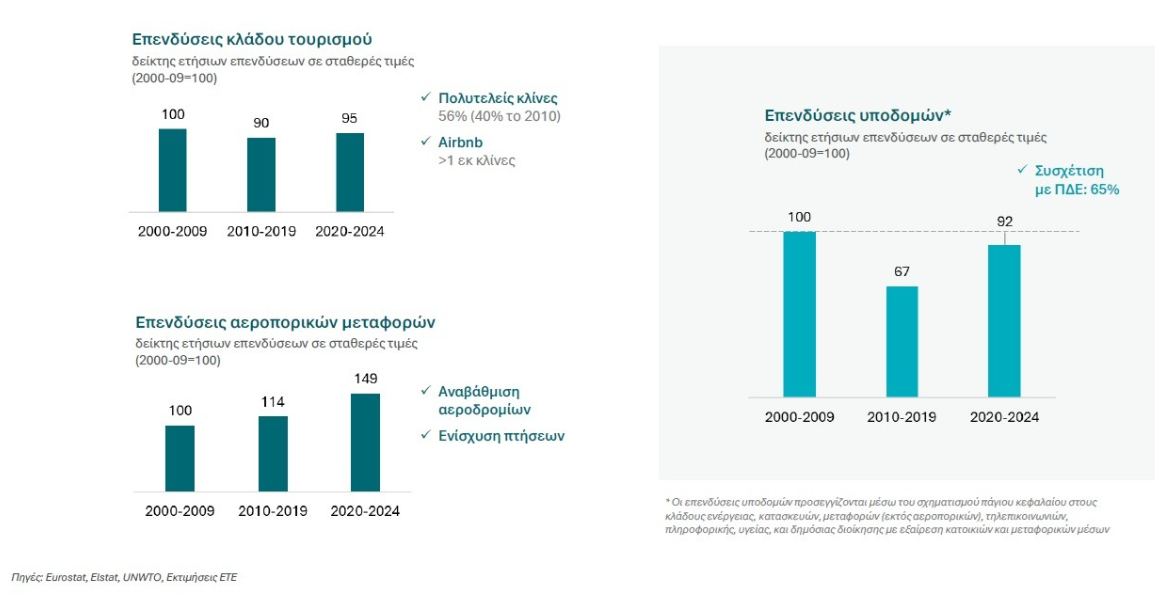
This growth is based on structural factors: an increase in air connections by 46% (2015-2024) and an improvement in the quality of accommodation, with 4 and 5 star beds now making up 55% of the total (from 42% in 2015).
The result is an increase in the country’s international footprint: Greece’s share of global tourist arrivals will increase to 2.5% in 2025, from about 2% a decade ago, according to a study by the National Bank.
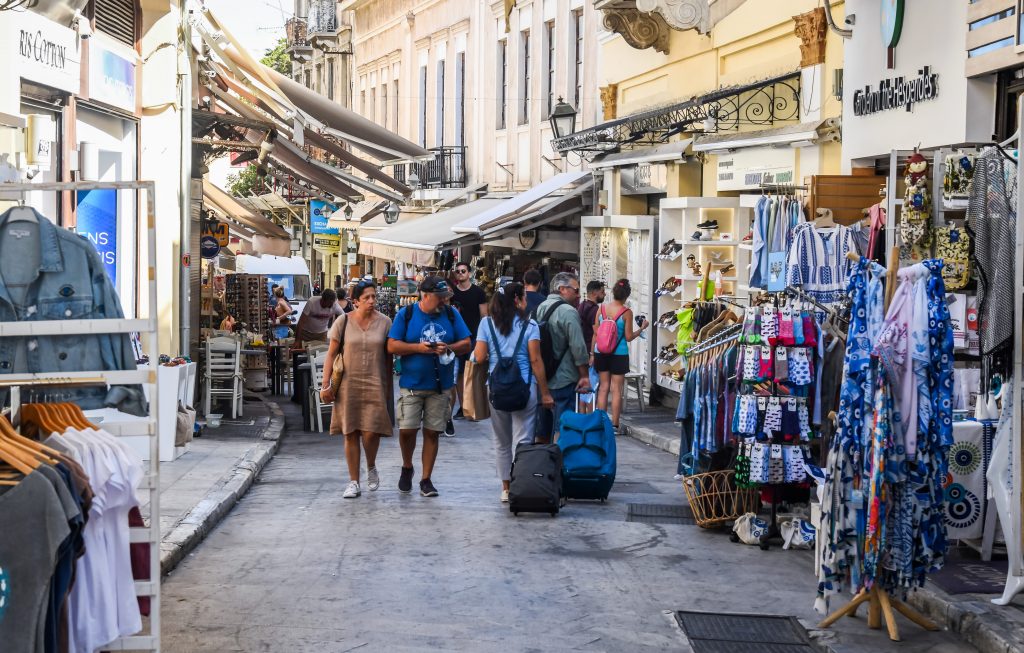
Tourists per inhabitant: the sign “burned”
With a permanent population of around 10–11 million inhabitants, Greece annually receives an average of 3.5 tourists per inhabitant (2024 data), one of the highest rates in the world, if not the highest.
Greece, based on 2024 data is in tenth place worldwide based on the number of international tourist arrivals
Apart from some “Lilliputian” states, such as Andorra or San Marino, as well as countries with a very small population such as Croatia, Montenegro or Iceland, Greece is one of the most burdened international tourist countries. The only country with a significant population that shows an approximately similar index to our country is Austria (3.4).
Greece, which according to the data of 2024 is in tenth place worldwide based on the number of international tourist arrivals, is a global peculiarity, because the other nine countries in the relevant ranking have a very low ratio of tourists per inhabitant. For example, France, the country with the most visitors in the world (107 million in 2024) has an index of 1.5 tourists per inhabitant, Spain 1.8 and Germany only 0.4.
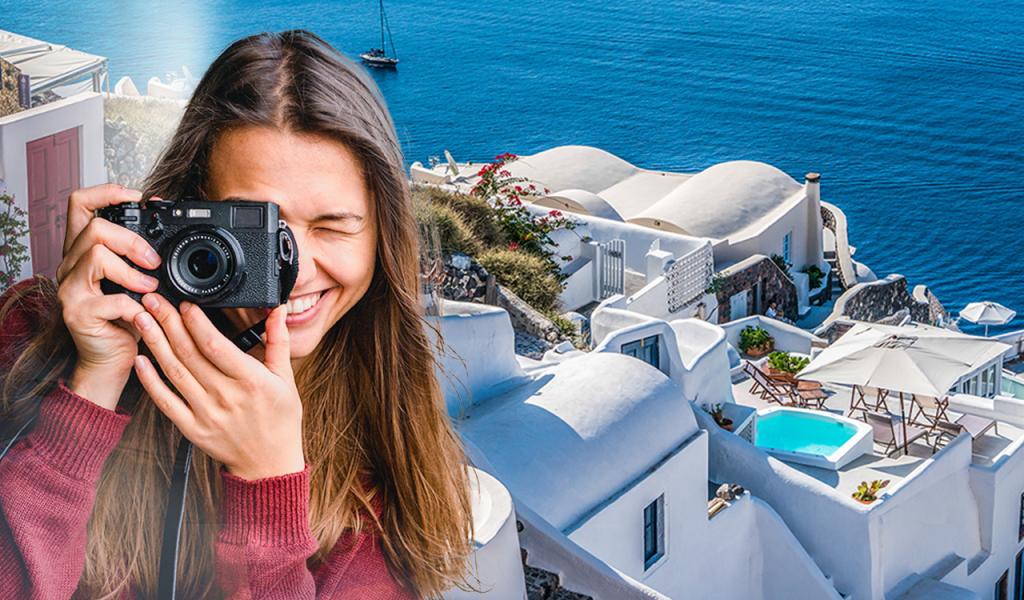
The average, however, hides many regional differences. The picture of the region based on data on visits to each region (INSETE, 2024) and population (2021) is as follows:
South Aegean Region: 21.3 tourists per inhabitant (7 million visits to a population of 327,820)
Ionian Islands: 16.6
Crete: 8.8
Central Macedonia: 3.7
Attica: 2.1
Epirus: 5.3
Eastern Macedonia and Thrace: 2.13
Peloponnese: 1.36
North Aegean: 1.06
Only the regions of Western Macedonia (0.81), Thessaly (0.91), Western Greece (0.87) and Central Greece (0.97) have an index below 1.
Hypertourism, seasonality, infrastructure: The difficult exercise
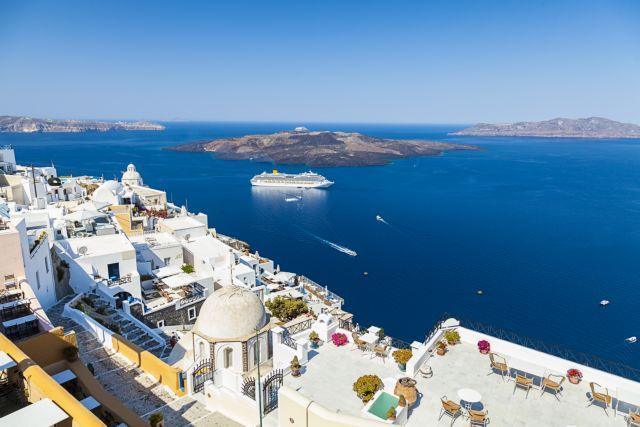
In some islands the picture can be harsh in the summer months. Indicative is the Guardian’s report on Zakynthos last summer, when it reported that the ratio of visitors to residents was more than 150:1.
It is important that the tourism promotion strategy is accompanied by infrastructure strengthening based on the burden of each destination.
Strong seasonality, with most demand concentrated in 6-8 weeks, puts water, sewerage, waste management and health services under pressure, according to a study by the National Bank.
It is very difficult to use the amount of investment to improve the infrastructure to cover the basic needs of the time. However, as mentioned in a study by the National Bank published the other day, it is important that the tourism promotion strategy “comes with the strengthening of the infrastructure based on the burden of each destination”.
So the key issue is not whether Greece can attract more tourists – that seems to be a given. The question is whether the infrastructure, local communities and the environment can withstand these numbers
Investments in basic infrastructure (for example, energy, water supply, roads) do not follow the dynamics of tourism investments (hotels, airlines) under the pressure of the crisis.
The per capita tourist index will expand in the future because according to another study by the National Bank presented at the recent SETE annual conference, it mentions up to 55 million annual arrivals in our country by 2040.
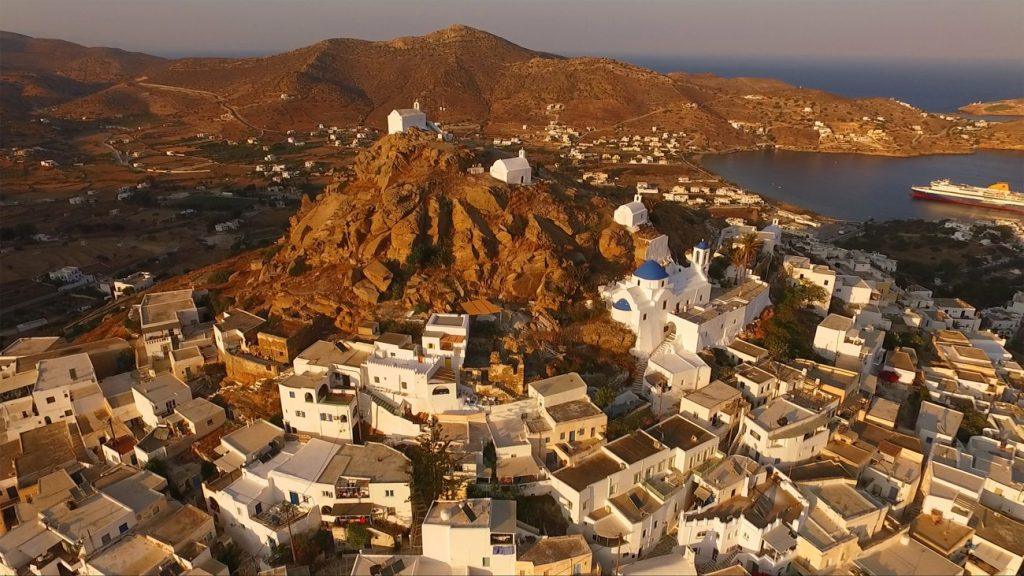
So the key issue is not whether Greece can attract more tourists – that seems to be a given. The question is whether the infrastructure, local communities and the environment can withstand these numbers.
Tourism in Greece is like a Ferrari driving at high speed on roads not built to withstand such speed
The “tourist per capita” indicator has emerged as an important policy tool. Without investment in infrastructure, better spatial distribution of demand and meaningful management of seasonality, the risks to the success of tourism can be a cause of social and environmental degradation.
As Ms. Jessi Voumvaki, Deputy Director of Economic Analysis of the National Bank, at the SETE conference: “Tourism in Greece is like a Ferrari that moves at high speed on roads that are not built to withstand such stress.” He mentioned international examples of investment in countries with high tourism that our country should study.